
But for drivers in the intermodal world, the reality looks very different.
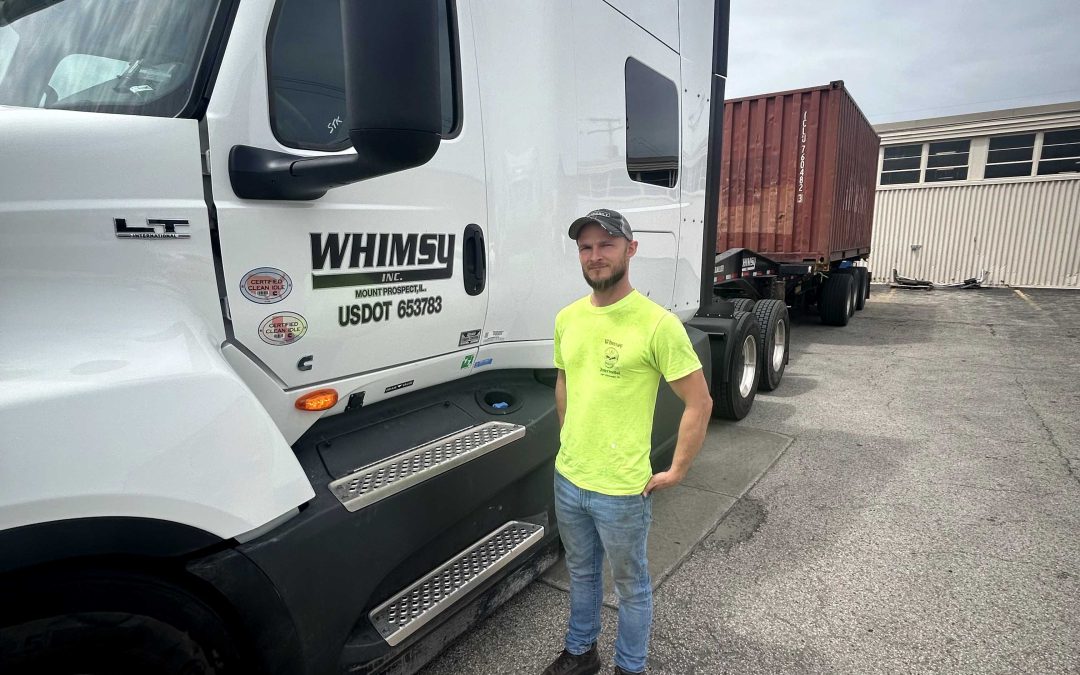
We recently sat down with Pawel, one of our drivers, to talk about what the job is really like. What we found wasn’t just a “day in the life” — it was a deeper look into the mindset, discipline, and adaptability required to succeed in this industry.
Because the truth is, there is no such thing as a typical day.
No Two Days Are the Same
If you’re looking for routine, trucking — especially intermodal trucking — may not be what you expect.
According to Pawel, one of the first things new drivers need to understand is that every day is different.
Routes change. Schedules shift. Delays happen. What starts as a straightforward plan in the morning can quickly evolve based on rail availability, customer needs, traffic conditions, or equipment requirements.
“You have to embrace the unpredictability,” Pawel explained. “If you try to force every day to go exactly how you planned it, you’re going to be frustrated.”
This variability is especially true in intermodal operations, where drivers are often coordinating between rail terminals, container yards, and customer locations — all of which operate on their own timelines.
Flexibility isn’t just helpful. It’s essential.
The Rhythm of the Day Isn’t Always on the Road
Another common misconception is that drivers spend most of their day driving.
In reality, a significant portion of the job happens while the truck is parked.
Breaks don’t always happen at scheduled rest stops. Instead, they often occur at:
- Rail yards while waiting for container availability
- Customer locations during loading or unloading
- Staging yards while equipment is being repositioned
- Unexpected delays caused by traffic or scheduling changes
Learning how to use this time effectively is part of the job.
“Sometimes you’re moving nonstop, and other times you’re waiting,” Pawel said. “You have to manage both.”
This stop-and-go rhythm requires patience and awareness. It also reinforces the importance of planning ahead — especially when it comes to hours-of-service regulations.
Safety and Regulations Are Always Top of Mind
Behind every successful driver is a constant awareness of safety and compliance.
From hours-of-service limits to equipment checks, weight restrictions, and route planning, drivers are continuously monitoring their responsibilities.
“It’s not something you think about once,” Pawel explained. “You’re always thinking about it.”
That level of attention is what keeps both drivers and freight moving safely.
It also highlights something many people overlook: trucking is as much about decision-making as it is about driving.
Every choice — from when to take a break to how to approach a congested rail yard — impacts the outcome of the day.
The Relationship Between Driver and Dispatch Matters
While drivers spend much of their time independently, they are never truly working alone.
A strong relationship with dispatch and the support team is one of the most important factors in a driver’s success.
“Communication is everything,” Pawel said. “You have to trust your dispatch, and they have to trust you.”
That trust allows for better coordination, faster problem-solving, and smoother operations overall.
In an industry where plans can change quickly, having a reliable support system makes all the difference.
At Whimsy Intermodal, that relationship is something we take seriously. Drivers aren’t just moving freight — they’re part of a team working toward the same goal.
Pride in the Name on the Truck
Something else that stood out during our conversation was the sense of pride drivers feel in the company they represent.
In intermodal trucking, your reputation travels with you.
Drivers often return to the same rail terminals, yards, and customer locations. Over time, people begin to recognize not just the driver — but the company name on the truck.
“When people know the company, it means something,” Pawel said. “You want that to be a good thing.”
That recognition comes from consistency, professionalism, and reliability.
It’s built over time — one interaction, one delivery, one day at a time.
Staying Level-Headed in a High-Stress Environment
Driving in traffic, navigating tight spaces, and dealing with unpredictable situations are all part of the job.
But one of the biggest challenges drivers face has nothing to do with equipment or logistics — it’s managing interactions with other drivers on the road.
“You’re going to deal with aggressive drivers,” Pawel said. “You can’t let that affect how you do your job.”
Maintaining a level head is critical.
Reacting emotionally can lead to mistakes. Staying calm, focused, and professional helps drivers navigate difficult situations safely.
This mindset is something that develops over time, but it’s a key part of being successful in the industry.
What Would You Tell a New CDL Driver?
Toward the end of our conversation, we asked Pawel what advice he would give to someone just getting started in trucking.
His response was direct — and valuable.
1. People Get Into Trucking for the Wrong Reasons
“There’s a lot of focus on money,” he said. “But that shouldn’t be the only reason you get into this.”
Trucking can be a rewarding career, but it comes with challenges. Long hours, unpredictable schedules, and high responsibility require more than just financial motivation.
Understanding what the job actually involves is critical before getting started.
2. Take Your Time and Learn the Industry
“There are a lot of different paths in trucking,” Pawel explained.
From over-the-road to local delivery to intermodal, each sector operates differently and requires different skills.
“Don’t rush into something just because it pays more,” he said. “Take the time to understand what you’re doing.”
That includes learning the regulations, expectations, and day-to-day realities of the job.
The more informed you are, the better decisions you’ll make early in your career.
3. Build Relationships — They Matter More Than You Think
In trucking, relationships go a long way.
Drivers who build strong connections with dispatchers, yard personnel, and customer contacts often have smoother, more efficient days.
“People remember you,” Pawel said. “If they trust you, things go easier.”
That trust can lead to faster turnaround times, better communication, and fewer complications on the job.
More Than a Job
At the end of the day, trucking is more than just moving freight from one place to another.
It’s about adaptability, responsibility, and professionalism.
It’s about working through challenges, building relationships, and staying focused in an ever-changing environment.
And as Pawel made clear, it’s a career that requires the right mindset just as much as the right skill set.
Because in this industry, success isn’t just measured in miles — it’s measured in how you handle everything in between.