
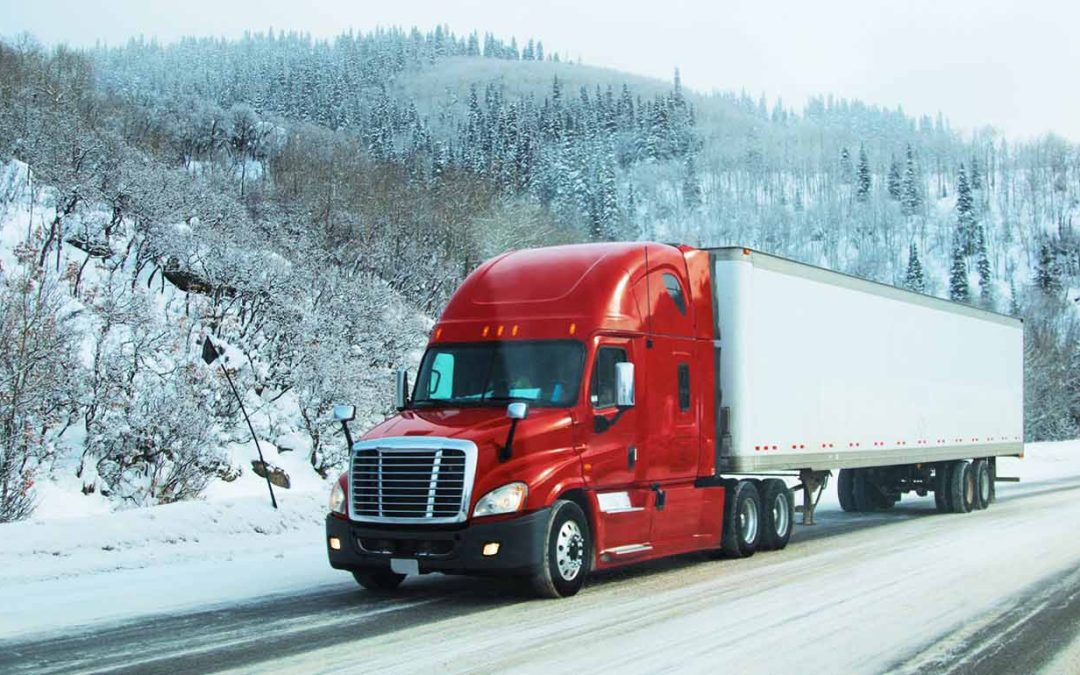
Winter weather has a way of exposing every weak link in the trucking industry.
Snow, ice, freezing rain, extreme cold, and limited daylight don’t just make driving more difficult — they affect safety, costs, scheduling, and the reliability of the entire supply chain. For carriers, drivers, dispatchers, and shippers alike, winter is less about convenience and more about resilience.
While winter storms often make headlines for road closures and delivery delays, the true impact of winter weather on trucking goes much deeper. It influences how freight moves, how drivers operate, and how companies plan long before the first snowfall.
Safety Comes First — and the Risks Rise in Winter
Winter driving conditions significantly increase safety risks for commercial drivers. Icy roads, reduced visibility, blowing snow, and sudden temperature changes can turn a routine trip into a hazardous one.
Industry data shows that nearly one-quarter of winter truck accidents are weather-related. Ice buildup and slick surfaces reduce traction and increase stopping distances, even for experienced drivers operating well-maintained equipment.
Cold weather also makes pre-trip inspections more critical. Tires, brakes, air lines, lights, and batteries are all under additional strain in winter. Minor mechanical issues that might be manageable in warmer months can quickly become serious safety concerns when temperatures drop.
For professional drivers, winter demands heightened awareness and sound judgment — including knowing when to slow down, reroute, or, in some cases, wait out unsafe conditions.
Operational Constraints Go Beyond the Road
Winter weather doesn’t just affect how trucks drive; it also affects what they are legally allowed to do.
For oversized and out-of-gauge freight, many states restrict travel to daylight hours. In winter, when daylight is already limited, these restrictions can significantly reduce available operating windows. A move that might be completed in a single day during summer may require additional staging or multiple days to execute safely in winter.
Permitting and escort coordination can also take longer during colder months, especially when weather-related closures or restrictions are in place. These limitations may not be obvious to those outside the industry, but they have a direct impact on timelines and planning.
Why Winter Weather Impacts the Entire Supply Chain
For shippers and customers, winter weather often shows up as shifting ETAs or unexpected delays. What’s less visible is the complex coordination happening behind the scenes.
Dispatch teams monitor weather systems, road conditions, driver hours-of-service, and customer requirements simultaneously. Routes may change mid-trip, appointments may need to be rescheduled, and equipment may be repositioned to avoid bottlenecks.
Winter highlights the importance of proactive communication and realistic expectations. Clear updates and contingency planning help keep freight moving, even when conditions are less than ideal.
Preparation Starts Before the First Snowfall
The most effective winter operations are built on preparation, not reaction.
That preparation includes:
- Adjusting routes for winter-prone regions
- Allowing additional transit time for critical shipments
- Planning oversized or specialized moves around daylight and permit restrictions
- Ensuring equipment is winter-ready
- Supporting drivers with realistic schedules and clear communication
In regions where winter weather is inevitable, experience matters.
A Carrier’s Perspective on Winter Operations
At Whimsy Intermodal, winter is viewed as a stress test for planning, communication, and flexibility.
No carrier can control the weather, but experienced logistics providers can control how they prepare for it — and how they respond when conditions change. Managing winter freight isn’t about pushing harder; it’s about operating smarter and safer.
Winter Is Unavoidable — but Its Impact Can Be Managed
Winter weather will always challenge the trucking industry. Snow, ice, cold, and limited daylight are part of the operating environment for much of the country.
What makes the difference is how those challenges are addressed — through preparation, communication, and a safety-first mindset. For drivers, winter demands judgment and experience. For carriers, it requires flexibility and planning. For shippers, it means working with partners who understand that reliability in winter is built on realism, not shortcuts.
Looking Ahead
If you’re planning freight moves during the winter months, working with a logistics partner that understands seasonal constraints can make all the difference. Thoughtful planning, clear communication, and experience navigating winter conditions help keep freight moving safely — even when the weather doesn’t cooperate.