
Articles
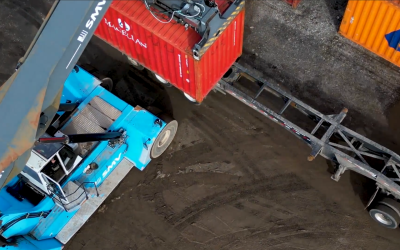
From Rail Ramp to Final Delivery: How Containers Actually Move
When most people think about shipping containers, they imagine them simply being loaded onto a truck and delivered to their destination. In reality, containers move through several stages along the supply chain — and each stage requires specialized equipment designed...
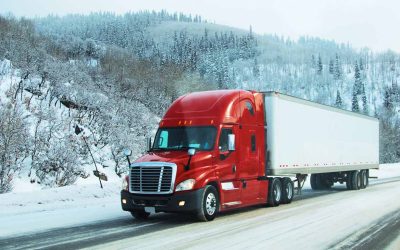
Why Winter Weather Is One of the Trucking Industry’s Biggest Stress Tests
Winter weather has a way of exposing every weak link in the trucking industry. Snow, ice, freezing rain, extreme cold, and limited daylight don’t just make driving more difficult — they affect safety, costs, scheduling, and the reliability of the entire supply chain....
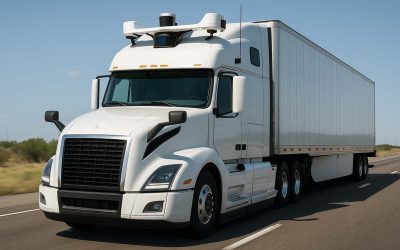
Self-Driving Trucks and the Future of Freight: What It Means for the Trucking Industry
Autonomous trucking is no longer a distant concept. Over the past few years, pilot programs and policy debates have moved self-driving semi-trucks from science fiction to limited commercial reality. Tech companies and manufacturers are now testing automated Class 8...
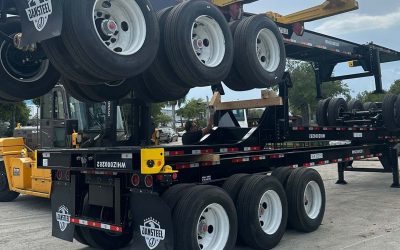
Maximizing Heavy Hauls: How Whimsy Intermodal’s Triaxle Trailers Unlock More Capacity for Shippers
When it comes to transporting heavy freight, not all chassis are created equal. At Whimsy Intermodal, we understand that some cargo demands more than just space — it demands strength, strategy, and the right equipment. That’s why our expanding fleet of 3-axle...
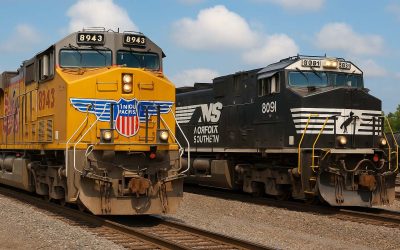
A New Track Ahead: Understanding the Potential Union Pacific–Norfolk Southern Merger
The U.S. freight rail industry may be on the brink of a historic transformation. Union Pacific (UP) and Norfolk Southern (NS)—two of the nation's leading Class I railroads—are exploring a merger that could create the first true coast-to-coast freight rail network in...
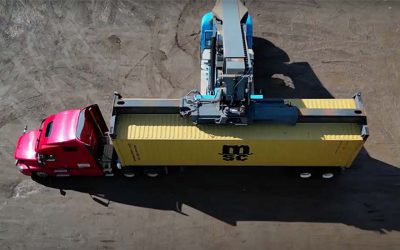
Pre-Pulls and Stop-Offs: How Smart Container Moves Save Shippers Money
When it comes to intermodal freight, timing isn’t just important—it’s everything. From rail schedules and warehouse availability to Hours of Service (HOS) regulations and congestion at terminals, every delay comes with a cost. Chief among these costs are demurrage and detention fees, which can significantly erode a shipper’s profit margins.